Beyond the apple: Discover the powerhouse foods packing more fiber for optimal health
02/12/2026 / By Cassie B.

- Many common foods provide far more fiber than an apple.
- Fiber deficiency is a widespread silent health crisis with severe consequences.
- High fiber intake defends against chronic diseases and aids weight management.
- Lentils, chia seeds, and berries are examples of potent fiber powerhouses.
- Building a fiber-rich plate requires intentional choices like eating whole grains and legumes.
Forget everything you thought you knew about fiber. While an apple a day is sound advice, clinging to that single piece of fruit may be leaving your body critically shortchanged on one of the most vital nutrients for long-term health. The truth is that many common foods deliver a fiber payload that dwarfs that of a trusty apple, and incorporating them is the key to unlocking benefits far beyond regular digestion. We’re talking about a powerful defense against chronic disease, a revitalized gut, and sustainable weight management. This isn’t just about avoiding constipation; it’s about fueling a resilient, thriving body.
The numbers speak for themselves. A large apple provides a respectable 5 grams of fiber. Now, compare that to a cup of cooked lentils, which delivers a staggering 15.6 grams, covering more than half of your daily needs in one serving. Dried figs offer 14.6 grams per cup, and a single avocado contains about 13.5 grams. Even an ounce of chia seeds packs nearly 10 grams. The message is clear: diversifying your plate with these potent sources can rapidly close the fiber gap that plagues the modern diet.
The silent epidemic of fiber deficiency
Historical shifts toward processed foods have created a silent health crisis. Experts note that nine out of ten Americans are not eating enough fiber, a pattern mirrored in other developed nations. This deficit has profound implications. Dietary fiber, the indigestible part of plant foods, acts as the body’s internal broom and nutrient regulator. It comes in two forms: soluble fiber, which dissolves to help control blood sugar and cholesterol, and insoluble fiber, which adds bulk to stool to prevent constipation. Most whole foods contain a mix of both.
The consequences of skipping fiber are severe and well-documented. “Dietary fiber can keep you full, help you to lose weight, and improve your overall health,” state health guides. More specifically, a high-fiber diet can lower your risk of heart disease, stroke, diabetes, and certain cancers like colorectal cancer. It improves skin health, aids in weight management, and is crucial for gut health. Increasing your intake can also help prevent conditions like hemorrhoids.
Building a fiber-rich plate
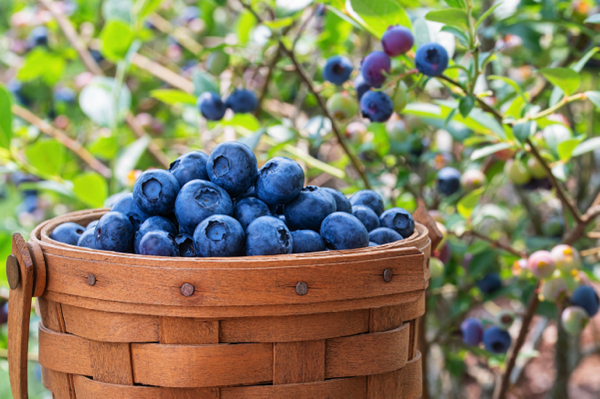
So, how do you move beyond the apple? Start by looking to legumes and seeds. Lentils are a superstar, also providing substantial plant-based protein. Chia seeds and flaxseeds are incredibly versatile, and they can be easily added to smoothies, yogurts, and baked goods. Don’t overlook berries; a cup of raspberries contains 8 grams of fiber, while blackberries offer around 7.6 grams. Even dark chocolate, in its high-cacao form, can contribute, with cacao nibs providing 8 grams per ounce.
Vegetables are foundational. Sweet potatoes, broccoli, carrots, and beets are all excellent choices. A cup of cooked sweet potato contains more than 6 grams of fiber. For grains, replace refined white products with whole grains like barley, which has 6 grams per cooked cup, or oats, which are rich in the soluble fiber beta-glucan.
The strategy is simple but requires intentionality. Snack on almonds or dried figs. Add beans to soups and salads. When selecting bread or cereal, check labels to ensure the first ingredient is a whole grain. And remember to keep the peel on your fruits and vegetables whenever possible to retain their full fiber content.
Adopting a high-fiber diet is one of the most effective, low-cost interventions you can make for your health. It connects us to the whole, unprocessed foods that have sustained human health for millennia, counteracting the refined diets of the industrial age. By looking past the commonplace apple and embracing the diverse array of fiber powerhouses available, you’re not just eating; you’re building a robust defense system for your body, one delicious bite at a time.
Sources for this article include:
Submit a correction >>
Tagged Under:
chia seeds, dietary fiber, food cures, food is medicine, food science, fruits, grocery cures, healthscience, legumes, lentils, natural cures, natural health, natural medicine, Naturopathy, nutrients, nutrition, nuts, organics, seeds, soluble fiber, veggie
This article may contain statements that reflect the opinion of the author
RECENT NEWS & ARTICLES