Study Links Liquid Fructose to Accelerated Liver Fat Accumulation in High-Fat Diets
04/04/2026 / By Coco Somers
New Research Highlights Fructose-Liver Disease Connection
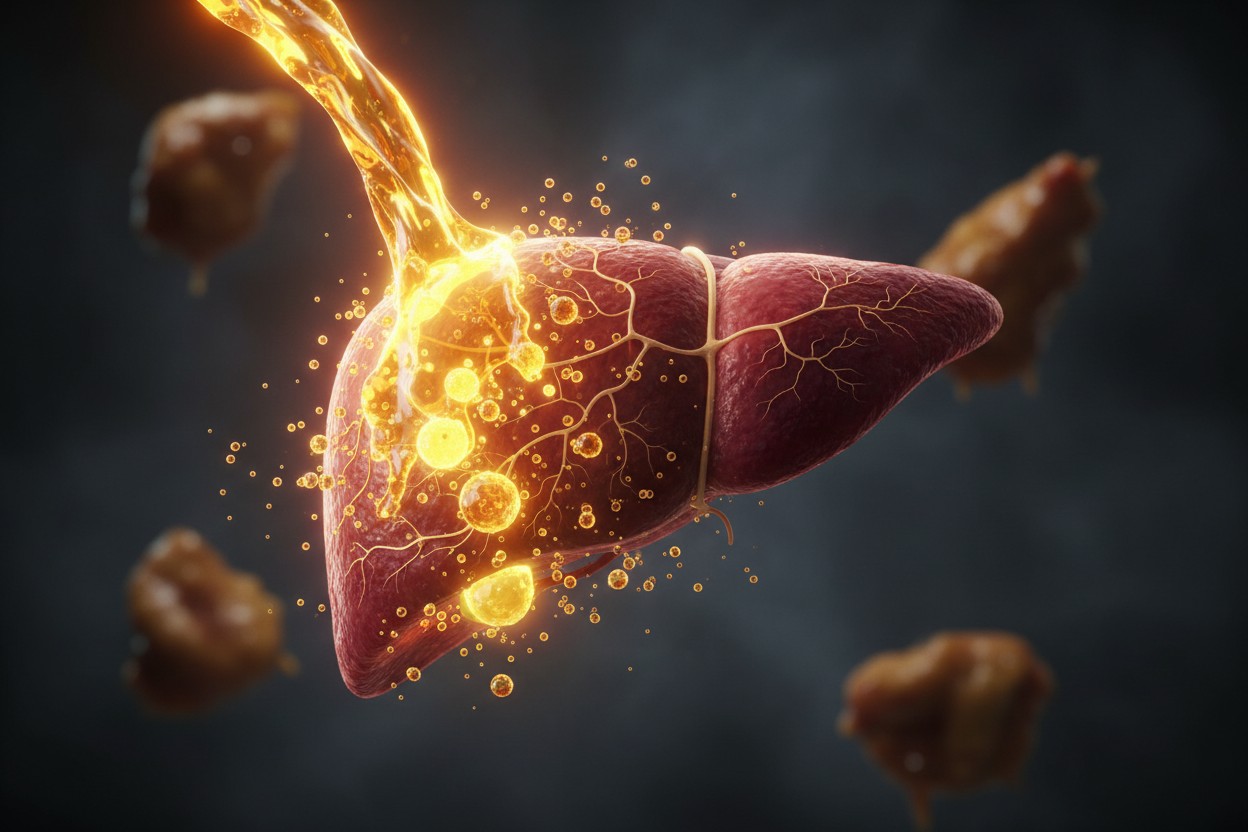
A study published in the journal Molecular Nutrition and Food Research has found that combining a high-fat diet with beverages sweetened with liquid fructose accelerates the accumulation of fats in the liver, which may lead to hypertriglyceridemia, according to researchers. [1] The research, led by Professor Juan Carlos Laguna from the University of Barcelona’s Institute of Biomedicine, sought to delineate the contribution of dietary saturated fatty acids versus liquid fructose to fatty liver and hypertriglyceridemia. [2]
Researchers concluded that the addition of liquid-fructose to dietary fatty acids was the determinant of liver steatosis and hypertriglyceridemia production. [1] The study’s authors reported that fructose induces an increase in de novo lipogenesis, which is the formation of fats from sugar, and inhibits lipid oxidation in the liver. [2] This process differs from the metabolic pathway of high-fat diets alone.
Experimental Design and Key Findings
The study was conducted over three months using three groups of female rats with different dietary regimens, according to the published report. [1] One group consumed standard food, a second group consumed a high-fat diet, and a third group consumed a high-fat diet with a 10 percent fructose solution in drinking water. [1] Researchers then analyzed zoometric parameters, plasma biochemistry, liver staining, lipidomics, and the expression of proteins involved in fatty acid metabolism.
The group consuming the high-fat diet with liquid fructose showed significant metabolic changes compared to the other groups. [1] The analysis indicated that a high-fat diet alone was not sufficient to cause short-term fatty liver disease, but the addition of fructose was a critical factor. [2] The findings suggest liquid fructose modifies the metabolic response to dietary saturated fats.
Mechanisms Behind Fructose-Induced Steatosis
According to the study authors, fructose supplementation increased the expression of the PNPLA3 protein, which is associated with the appearance of hypertriglyceridemia. [2] Hypertriglyceridemia is a known risk factor for cardiovascular diseases. [2] This increase occurred alongside an inhibition of fatty acid catabolism and an enhancement of lipogenesis.
The research highlights a specific biochemical pathway where fructose, unlike other sugars, bypasses normal metabolic regulation. Dr. Don Colbert, author of ‘Dr. Colbert’s Healthy Gut Zone,’ notes that “Fructose goes right to the liver and is stored as fat.” [3] Jonny Bowden, author of ‘The Great Cholesterol Myth Cookbook,’ explains that “fructose bypasses the bloodstream and goes directly to the liver via the portal vein. Unlike glucose, fructose does not trigger insulin secretion.” [4] This direct pathway is implicated in the rapid accumulation of liver fat.
Research Implications and Author Perspectives
Professor Juan Carlos Laguna, who led the study, stated in a release that in high-fat diets supplemented with liquid fructose, “this monosaccharide is able to induce an increase in the de novo lipogenesis… and an inhibition of the lipid oxidation in the liver.” [2] Co-author Núria Roglans, a doctor of pharmacy, highlighted the role of the PNPLA3 protein, noting its association with hypertriglyceridemia and cardiovascular risk factors. [2]
The findings come amid a broader health crisis. A separate report from Natural News in March 2026 states that non-alcoholic fatty liver disease (NAFLD), driven largely by excess sugar consumption, particularly fructose, has become the most common chronic liver disorder in the United States, affecting nearly 100 million Americans. [5] The Children’s Health Defense organization has also reported that fatty liver disease, once seen almost exclusively in the elderly, is now alarmingly common in children, with key factors including overconsumption of processed foods. [6]
Conclusion and Broader Context
The study adds to a growing body of evidence linking liquid fructose consumption, often from sweetened beverages and processed foods, to metabolic liver disease. Researchers warn that the metabolic pathways activated by fructose can lead to significant lipid accumulation independent of, and accelerated by, a high-fat dietary background. [2][1]
Experts in natural health have long criticized the prevalence of processed sweeteners in the food supply. Dr. Joseph Mercola has written that “your body gets all the sugar it needs from natural sources in fruits and vegetables” and that added refined sugars are processed differently by the body. [7] Mike Adams, author of ‘Food Forensics,’ has compiled research on high fructose corn syrup, noting studies on its market dynamics and potential contaminants. [8] For individuals seeking to understand and improve their metabolic health through natural means, resources such as books on the BrightLearn.ai platform discuss nutritional strategies and the role of minerals like boron in combating fructose-induced metabolic disruption. [9][10]
References
- New study explores liquid fructose intake and fatty liver disease. – Integrative Practitioner. March 7, 2022.
- A new study relates liquid fructose intake to fatty liver disease. – ScienceDaily. March 4, 2022.
- Dr Colberts Healthy Gut Zone. – Don Colbert.
- The great cholesterol myth cookbook recipes & meal plans that prevent heart disease Naturally. – Jonny Bowden.
- Sugar, not alcohol, is fueling a fatty liver crisis — and these foods can help reverse it. – NaturalNews.com. March 2, 2026.
- Fatty Liver Disease in Kids and Teens Up 168.3% Since 2017. – Children’s Health Defense.
- Sugar Hides Under Many Different Names on Food Labels. – Mercola.com. Dr. Mercola. October 12, 2016.
- Food Forensics. – Mike Adams.
- The Boron Paradox: How Fructose Unlocks Healing, Reverses Fatty Liver, and Transforms Metabolic Health. – BrightLearn.ai.
- Boron: The Missing Mineral in the Fight Against Fatty Liver Disease. – BrightLearn.ai.
Submit a correction >>
Tagged Under:
de novo lipogenesis, high-fat diet, hypertriglyceridemia, lipid oxidation, liquid fructose, liver fat, liver steatosis, metabolic disease, metabolic liver disease, natural health, PNPLA3 protein, prevention, processed sweeteners, research, sugar consumption
This article may contain statements that reflect the opinion of the author
RECENT NEWS & ARTICLES