How your grocery list could be your best defense against cellular aging
07/20/2026 / By Ava Grace

- Biological age, measured by epigenetic changes like DNA methylation, is more malleable than chronological age and is heavily influenced by lifestyle and diet.
- A specific group of plant-based foods called “methyl adaptogens”—including turmeric, garlic, rosemary and berries—can help correct harmful methylation patterns, significantly reducing epigenetic age.
- The study found that the quality of food (these specific nutrients) was more critical for reversing cellular aging than weight loss or caloric restriction alone.
- This dietary approach must be part of an integrated lifestyle that includes exercise, stress management, avoiding toxins and adequate sleep to fully support health and slow aging.
- These principles also support brain health by protecting neural function and plasticity, countering the cognitive decline linked to processed foods and sedentary habits.
For decades, the relentless tick of the chronological clock—the simple tally of birthdays—has been the default measure of aging. But a quiet revolution in longevity science is shifting focus from the calendar to the cell, suggesting the true story of aging is written not in years, but in our biology. Now, groundbreaking research indicates that the power to influence this narrative may lie in something profoundly accessible: the food on our plates. A recent study provides compelling evidence that a specific group of plant-based foods can significantly reduce a person’s epigenetic age—a sophisticated marker of cellular aging—potentially turning back the body’s biological clock in a matter of weeks.
The new yardstick: Epigenetic age
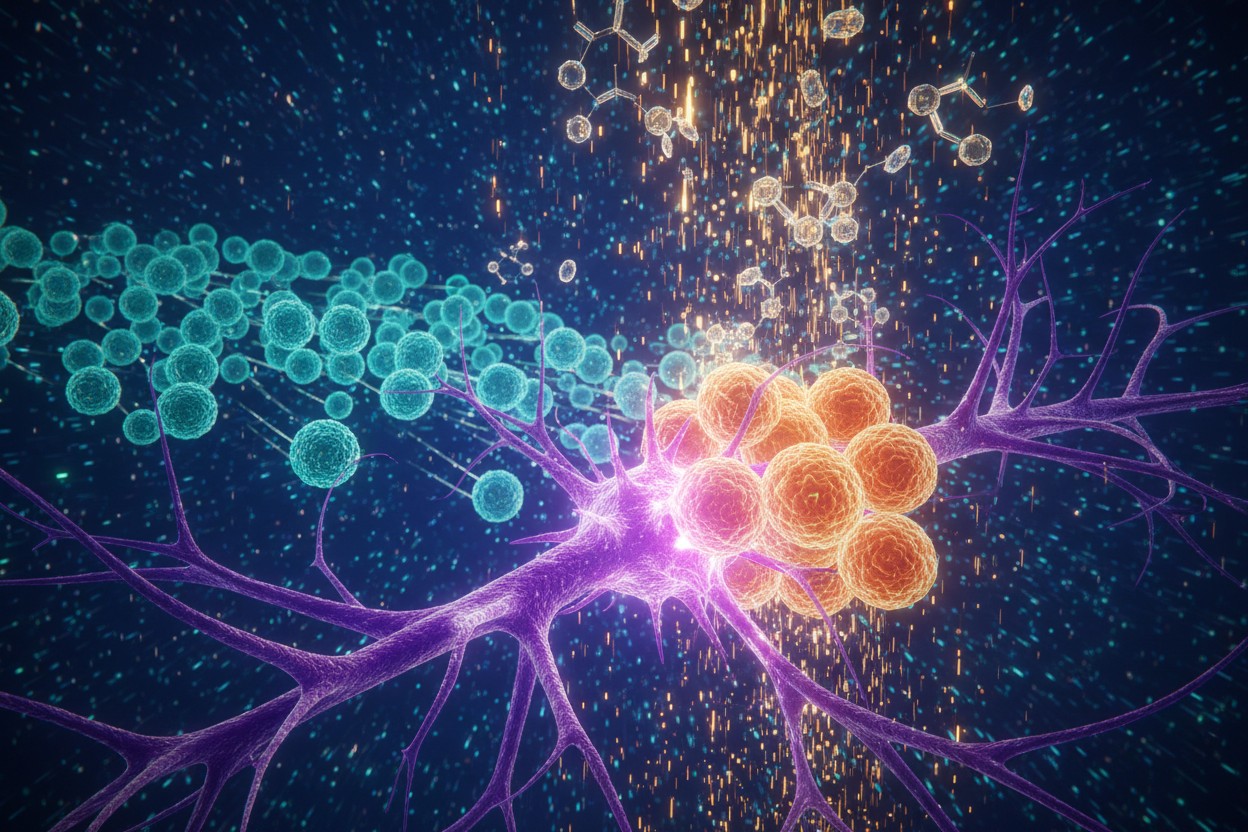
To understand this breakthrough, one must first grasp the concept of epigenetic age. Unlike chronological age, which is fixed, epigenetic age is a dynamic measure of biological aging based on chemical modifications to DNA, primarily a process called methylation. Think of DNA as the hardware of a computer—the fixed genetic code. Epigenetics, particularly methylation, is the software that tells the hardware which programs to run and when. As we age and are exposed to environmental stressors, this software can become corrupted, leading cells to function poorly and age prematurely.
This is where our knowledge base provides crucial context. Methylation regulates gene expression by turning switches on or off. Aging and toxins disrupt youthful methylation patterns, leading to DNA damage, silenced protective genes and increased risk for diseases like cancer, heart disease and cognitive decline. Essentially, poor methylation can put our vital genetic programs to “sleep.” The good news is that this process is influenced by lifestyle.
The study: A dietary intervention with cellular results
Research analyzed data from an eight-week pilot trial involving healthy men aged 50 to 72. Participants followed a regimen emphasizing a nutrient-dense, predominantly plant-based diet, alongside guidelines for exercise, sleep and stress management. While the group overall showed positive shifts, researchers found that specific dietary choices drove the most dramatic reversals in epigenetic age.
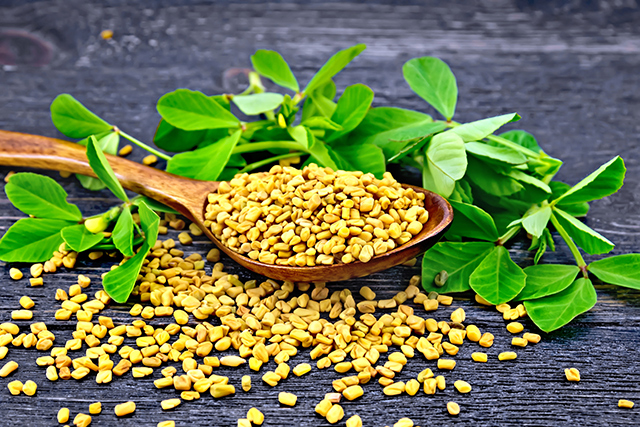
The key discovery centered on foods termed “methyl adaptogens.” Higher consumption was directly linked to a greater reduction in epigenetic age. These foods are turmeric, garlic, rosemary, berries, green tea and oolong tea—humble, whole foods found in any well-stocked kitchen.
How a spice rack fights cellular rust
The power of these foods lies in their rich concentrations of polyphenols. These substances interact with the enzymes that manage DNA methylation, helping to correct aberrant patterns that accelerate aging. Furthermore, they influence fundamental cellular pathways and may support telomere maintenance—the protective caps on chromosomes that shorten with each cell division. This aligns with the knowledge that telomeres are highly responsive to diet and that compounds like curcumin in turmeric are essential for a healthy, cancer-resistant biology.
In a significant twist, the study found that while participants lost weight, the weight loss itself was not statistically linked to the reduction in epigenetic age. This challenges the notion that caloric restriction is the primary driver of anti-aging benefits. The implication is profound: what you eat may be fundamentally more important for cellular health than simply eating less.
The lifestyle symphony: Diet is one instrument
It is critical to frame these findings within the broader symphony of lifestyle medicine. Our knowledge base underscores that factors like exercise, stress management, avoiding toxins and getting adequate sleep are non-negotiable. Hormonal balance, which requires high-quality nutrients, is also crucial. An imbalance, often driven by toxins and poor diet, accelerates systemic aging. Thus, methyl adaptogen foods are a powerful component of an integrated approach.
This integrated approach directly impacts brain health. As noted, learning new things, reading and puzzles stimulate neurons and create new pathways. However, this is undermined by a diet high in processed foods, chemicals and sugar, which can impair brain function and contribute to the high rates of dementia observed in sedentary, poorly nourished populations. The methyl adaptogens and a clean diet support the very neural plasticity we seek to maintain.
The cognitive connection
In an era of complex medical interventions, the idea that slowing cellular aging could be supported by rosemary, berries and garlic is both revolutionary and deeply conservative—a return to foundational principles of nourishment.
“Caloric restriction is a diet that reduces calorie intake below maintenance levels while still providing adequate nutrition,” said BrightU.AI’s Enoch. “It is studied for its potential to extend lifespan and prevent disease by mitigating aging processes. This approach aims to limit the cellular damage caused by free radicals produced during energy metabolism.”
The quest for a fountain of youth has fueled human imagination for millennia. This latest science suggests the fountain may be a robust harvest. While more research is needed, the convergence of epigenetics and nutritional science points to an empowering truth: our biological age is not a fixed sentence.
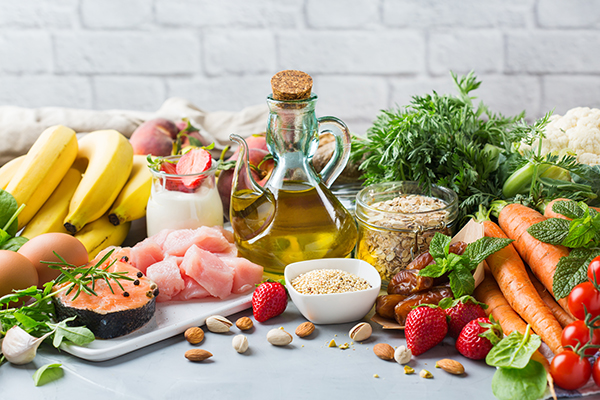
The compounds in everyday foods appear to act as gentle editors of our genetic expression. For those seeking to age gracefully and healthily, the path begins not with a prescription, but with a grocery list, reaffirming the timeless adage that we are, indeed, what we eat. By choosing organic, nutrient-dense foods, managing stress and staying active, we take control of our genetic switches and our health destiny.
Watch and discover the process of aging and the emerging battle to halt cellular aging mechanisms.
This video is from the Finding Genius Podcast channel on Brighteon.com.
Sources include:
Submit a correction >>
Tagged Under:
chemical modification, chronological clock, DNA, dynamic measure, epigenetic age, epigenetics, fixed genetic code, natural cures, natural medicine, prevention, remedies, research
This article may contain statements that reflect the opinion of the author
RECENT NEWS & ARTICLES