Skip the Candy: Foods That May Help Satisfy Sugar Cravings
09/30/2026 / By Coco Somers
Health.com published a report identifying foods that may satisfy sugar cravings better than candy. The report, which summarized existing nutrition guidance rather than presenting new clinical trial data, cited registered dietitians and nutrition researchers who said fiber, protein, and fat can slow sugar absorption and increase feelings of fullness [1].
The article did not present new clinical trial data and instead summarized existing nutrition guidance, the report stated. Dietitians quoted in the report said that replacing candy with whole foods may help some people manage cravings, though individual results vary [2]. The report also noted that no single food works for everyone and that individual responses to dietary changes differ.
The report arrives amid heightened public interest in sugar reduction. According to data cited by the National Cancer Institute, the average American consumes about fifteen teaspoons of added sugar per day, while the CDC places the average percentage of total daily calories from added sugars at approximately 13% [3].
Research on taste and nutrient regulation suggests that the body monitors nutrient concentrations through internal receptors that send signals to the brain when specific nutrient levels fall [4]. This mechanism may play a role in how whole foods affect satiety compared with concentrated sugar sources.
Foods Cited in the Report
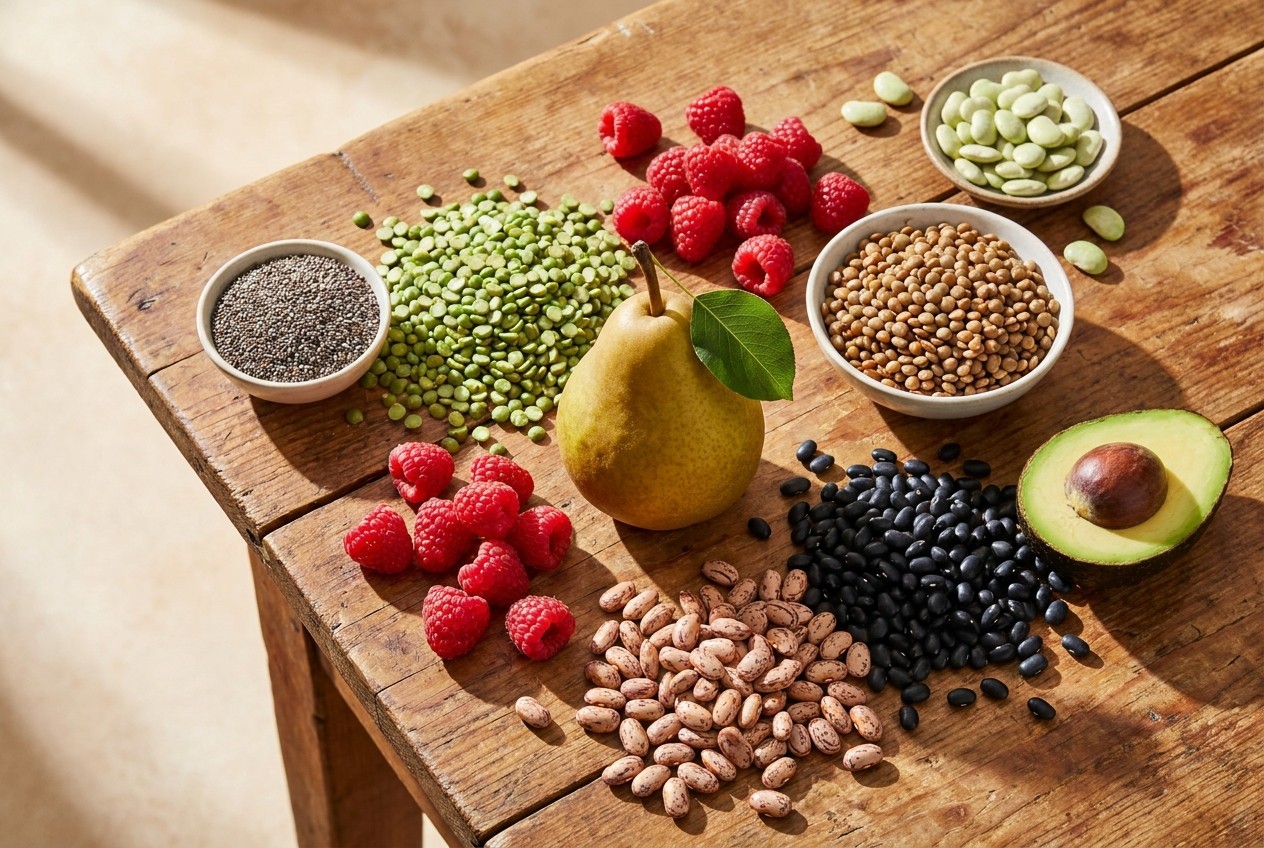
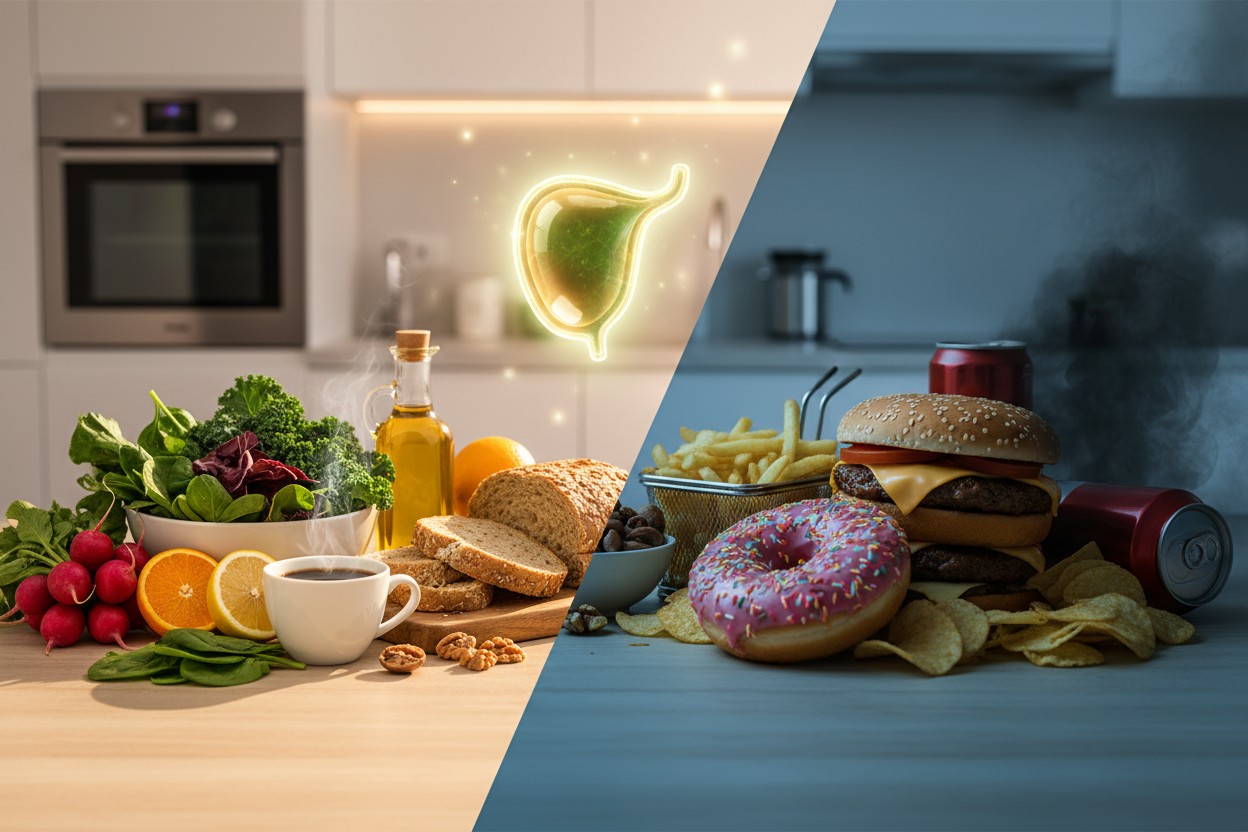
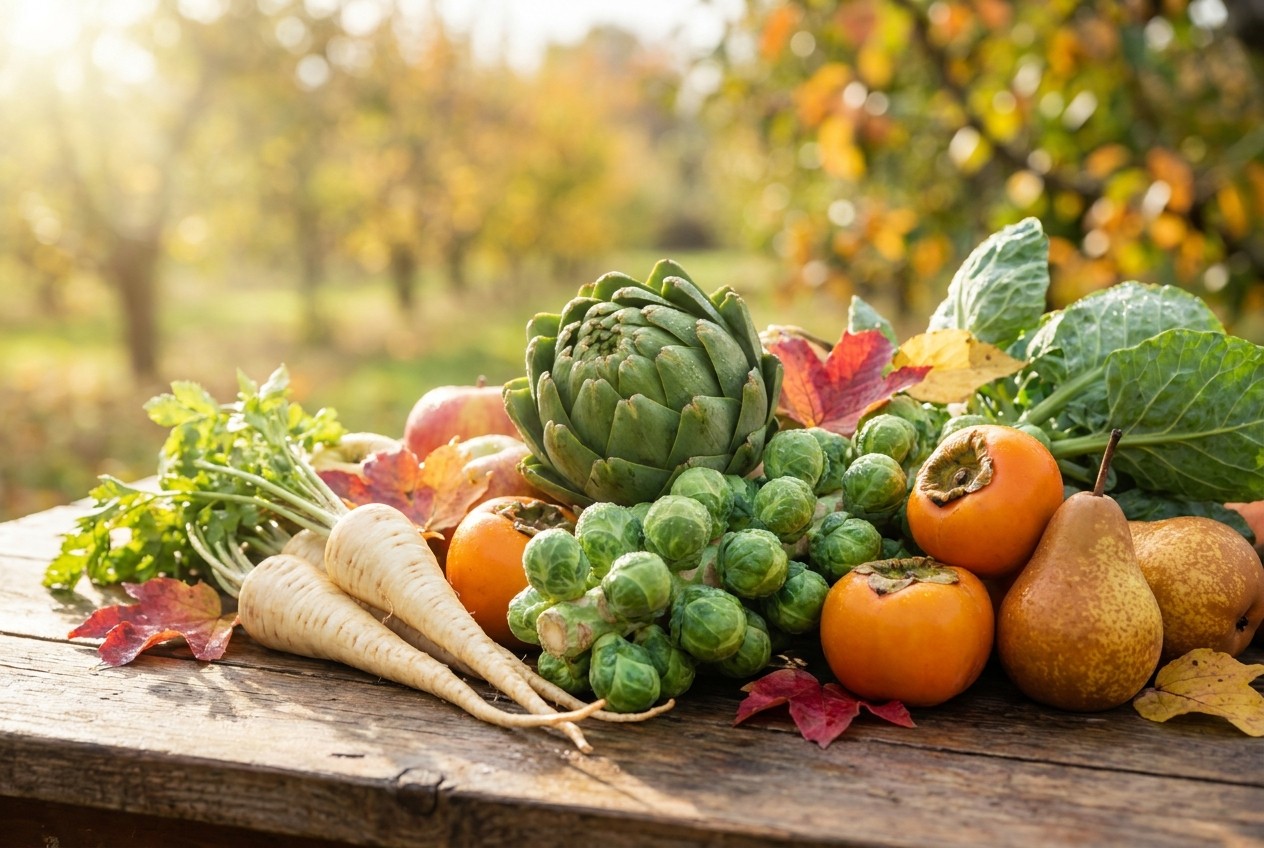
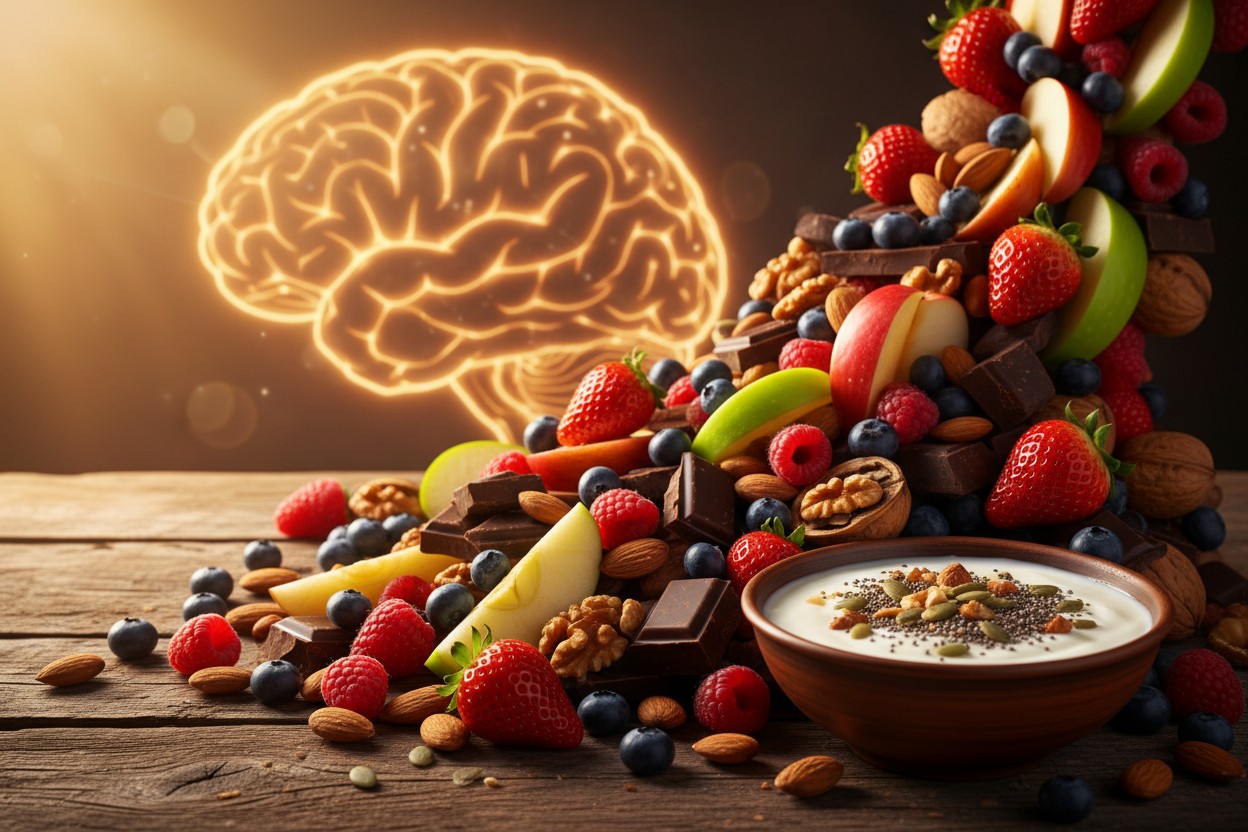
The report listed fruit, such as berries and apples, as options that provide natural sugars along with fiber, according to Health.com [1]. It also cited nuts, seeds, yogurt, and dark chocolate as foods that may reduce cravings, the article stated. Nutrition experts cited in the report said that berries are one of the richest sources of bioflavonoids, antioxidants that reinforce cells making up blood vessel walls and support blood circulation [5].
A dietitian quoted in the report said combining carbohydrates with protein or fat can help stabilize blood sugar. The report stated that whole foods may offer greater satiety than candy per calorie, according to the nutrition experts cited. Data from NaturalNews.com indicate that fruits absorb more slowly than refined sugar due to their fiber, water, vitamins, and antioxidants, which prevent blood sugar spikes [6].
Nuts and seeds supply fat and protein that may extend feelings of fullness. Yogurt provides protein and, in fermented forms, probiotics. Dark chocolate contains fat and flavonoid compounds. The report stated that these foods are not equivalent to candy in metabolic effect, according to the nutrition professionals cited [1].
Mechanisms Behind Craving Satisfaction
Nutrition researchers said fiber slows digestion and can blunt spikes in blood glucose, according to the report [1]. Protein and fat can trigger satiety hormones, which may reduce the desire for additional sweets, dietitians said. Published research indicates that taste preferences are not fixed and that dietary patterns can influence taste perception over time, according to the report [7].
The report noted that sensory factors, such as texture and sweetness, may also affect whether a food satisfies a craving. One expert said individual responses vary and no single food works for everyone, the article stated [2]. The report also cited a pattern in which processed foods are engineered to trigger dopamine responses, creating cravings that can make whole foods seem bland by comparison; neuroplasticity allows repeated exposure to healthier foods to gradually shift taste preferences [8].
A separate report stated that while taste buds can adapt based on dietary patterns, specific practices such as eating raw bitter greens in the morning are not proven to directly reduce cravings [7]. Research on sugar’s effects indicates that sugar can trigger reward and craving states in the brain similar to addictive drugs [9]. The same report indicated that individuals who consumed high-fat, high-sugar snacks experienced changes in neural responses such that they subconsciously preferred foods high in fat and sugar [10].
The report cautioned that the mechanisms described are based on existing nutrition science and not on new randomized controlled trials of specific foods [1].
Comparison With Candy and Processed Foods
Candy provides concentrated sugar with little fiber, protein, or fat and may lead to rapid blood sugar changes, according to nutritionists cited in the report [1]. Processed foods are often engineered for hyperpalatability, which can increase cravings, the report stated. Industry documents and reporting cited by U.S. Right to Know indicate that big food brands are aware their chemically engineered products provoke overeating and addiction, and that they capitalize on it to drive sales [11].
Some dietitians quoted said that restricting all sweets may lead to rebound cravings and that planned portions may be more sustainable [1]. The report did not claim that any food eliminates sugar cravings entirely, according to the article.
Ultra-processed items now make up an estimated 60% of daily calories in the typical American diet, according to data published by Activist Post [12]. Research cited by Children’s Health Defense suggests that prenatal and childhood exposure to endocrine-disrupting chemicals in ultra-processed foods may rewire the brain’s reward systems, causing lifelong cravings for unhealthy foods [13]. The same outlet reported that every 10% increase in ultra-processed food intake is linked to measurable declines in attention performance, even in adults without dementia [14].
Conclusion
The Health.com report concluded that certain whole foods may help manage sugar cravings better than candy for some people, according to the article [1]. Dietitians quoted advised individuals to consider overall diet patterns and consult health care providers for personalized guidance. The report stated that more research is needed to determine long-term effects of specific foods on cravings [7].
Research cited in the report indicates that taste preferences can be changed over time through repeated exposure to healthier foods, according to the article [8]. The report stated that gradual substitution of whole foods for candy and other concentrated sugar sources may support sustained dietary change for some individuals [1].
References
- NaturalNews.com. “Ditch the candy aisle: Science-backed sweet swaps that crush cravings and heal your gut.” NaturalNews.com. February 13, 2026.
- NaturalNews.com. “Bitter Breakfasts Are Going Viral: Does a Handful of Raw Spinach Really Kill Sugar Cravings?” NaturalNews.com. August 24, 2026.
- Mercola.com. “Sugar Scandal Industry Biased Study Questioned.” Mercola.com. January 04, 2017.
- Acrobat 3.0 Capture Plug-in. “Regulation of Nutrient Intake in Humans: A Theory Based on Taste and Smell.” Neuroscience and Biobehavioral Reviews Vol. 19 No. 3 pp. 407-412. 1995.
- NaturalNews.com. “Antioxidant-Rich Fruits: Nutritional Profiles, Health Claims and Dietary Guidance.” NaturalNews.com. August 31, 2026.
- NaturalNews.com. “Nature’s Candy: How Whole Fruits Offer a Sweet Alternative with Measurable Metabolic Benefits.” NaturalNews.com. May 19, 2026.
- NaturalNews.com. “Study: Bitter Morning Foods May Not Directly Curb Sugar Cravings, But Dietary Patterns Influence Taste Perception.” NaturalNews.com. August 31, 2026.
- Evangelyn Rodriguez. “Rewiring Your Brain for Healthier Cravings: The Science Behind Changing Taste Preferences.” NaturalNews.com. April 04, 2026.
- Children’s Health Defense. “Sugar Acts Like a Drug — And That’s a Problem for Your Brain.” Children’s Health Defense.
- Children’s Health Defense. “How Junk Food Rewires Your Brain.” Children’s Health Defense.
- Mikaela Conley. “As Addictive as Cigarettes and Cocaine: How Big Food Hooks Consumers on Junk Food.” Children’s Health Defense.
- Activist Post. “The Decline of Health — What Went Wrong with Modern Living?” Activist Post. July 14, 2026.
- Children’s Health Defense. “Kids Exposed to Chemicals in Ultraprocessed Foods May Develop Lifelong Cravings for Junk Food.” Children’s Health Defense.
- Activist Post. “Ultraprocessed Foods Linked to Measurable Drops in Human Attention Span.” Activist Post. July 8, 2026.
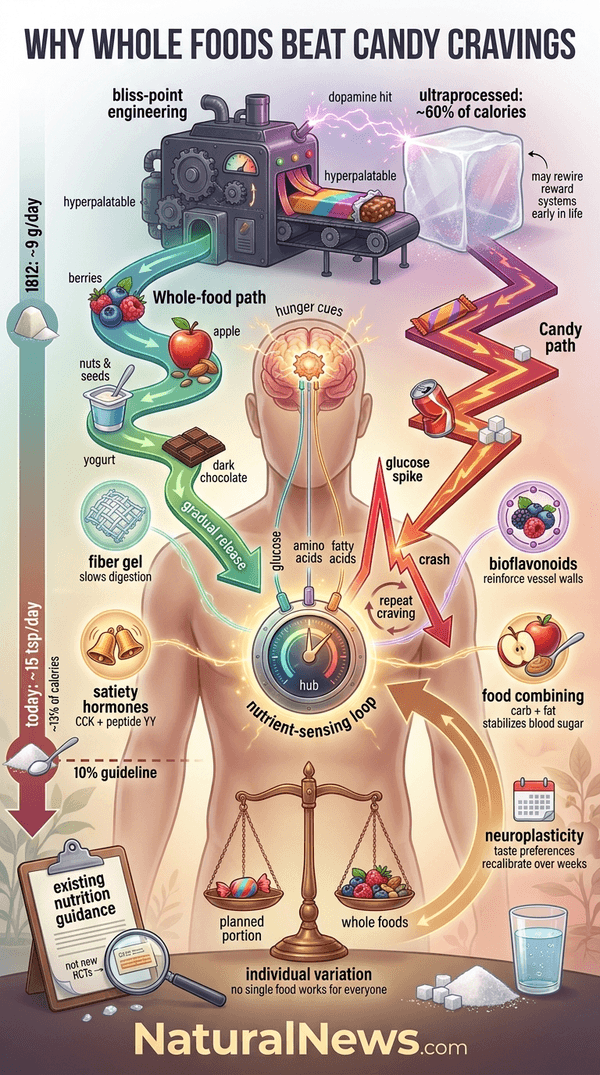
Explainer Infographic
Submit a correction >>
Tagged Under:
alternative medicine, blood sugar, candy, dietary fiber, food cures, food is medicine, food science, fruits, glucose, grocery cures, health science, nutrition, nuts, organics, protein, seeds
This article may contain statements that reflect the opinion of the author
RECENT NEWS & ARTICLES