SPEARMINT TEA: A natural ally against modern ailments
04/07/2026 / By Ava Grace
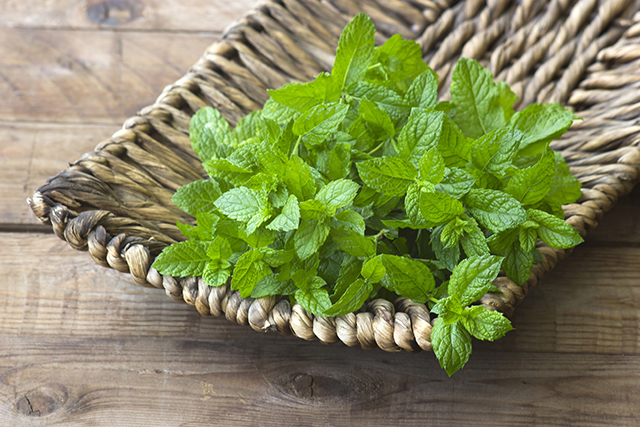
- Spearmint tea is gaining renewed scientific and consumer interest as a natural, accessible support for health, moving beyond its traditional use to be examined for managing modern ailments like hormonal disorders and chronic inflammation.
- Research highlights two primary therapeutic applications: reducing pain and stiffness from inflammatory conditions like osteoarthritis and acting as a mild anti-androgen to help manage PCOS symptoms, such as reducing excess testosterone and unwanted hair growth.
- Beyond its noted uses, spearmint tea may offer additional benefits including respiratory relief, cardiovascular support via blood pressure regulation and immune system bolstering through its antibacterial and antioxidant properties.
- It is naturally caffeine-free and differs from green tea (catechins) and peppermint tea (higher menthol) with its own antioxidant profile, featuring compounds like rosmarinic acid and a milder, sweeter flavor.
- The article emphasizes that spearmint tea is not a pharmaceutical cure but a supportive dietary component, underscoring the importance of consulting a healthcare professional for personalized use and viewing it as part of a broader wellness strategy.
In an era of complex pharmaceuticals and soaring healthcare costs, a humble herb from the garden is capturing the attention of researchers and consumers alike. Spearmint, a plant native to Asia and Europe and now cultivated globally, is stepping out of the shadow of its more pungent cousin, peppermint, as science begins to validate centuries of traditional use. The simple act of steeping its leaves in hot water is being examined not just as a pleasant beverage, but as a potential ally against a range of modern ailments, from hormonal disorders to chronic inflammation. This resurgence matters today as individuals increasingly seek accessible, natural adjuncts to conventional medicine, prompting a fresh journalistic investigation into what spearmint tea can truly deliver.
The core of spearmint’s potential lies in its volatile oil, carvone and a host of other compounds like rosmarinic acid and limonene. Unlike green or black tea, spearmint tea is naturally caffeine-free, making it an appealing option for evening consumption or for those sensitive to stimulants. Its nutritional profile, while not a significant source of macronutrients, includes traces of vitamins A, C and B-complex and minerals like iron and potassium, which contribute to its systemic effects.
A soothing answer to inflammation and pain
Chronic inflammation is a root cause of numerous debilitating conditions. Spearmint tea shows promise here, with studies indicating its ability to suppress pro-inflammatory mediators in the body. This action is particularly relevant for joint health. A 2014 study published in the Journal of Medicinal Food found that spearmint tea high in rosmarinic acid significantly reduced pain and stiffness in adults with osteoarthritis of the knee. The analgesic effects, attributed to compounds like menthol and limonene, suggest a potential, gentle alternative for managing chronic joint discomfort.
Hormonal harmony and PCOS management
Perhaps the most compelling and specific modern application of spearmint tea is in managing Polycystic Ovary Syndrome (PCOS), a condition affecting millions of women characterized by hormonal imbalance and high androgen levels, like testosterone. Research indicates spearmint tea acts as a mild anti-androgen. In studies where women with PCOS drank the tea twice daily, results showed measurable reductions in free testosterone and improvements in levels of key reproductive hormones. A consequential benefit of this hormonal shift is the reduction of hirsutism—unwanted, male-pattern hair growth—a deeply distressing symptom for many. While not a cure, this positions spearmint tea as a noteworthy, supportive dietary strategy.
Beyond hormones: Systemic support
The benefits attributed to spearmint tea extend across multiple body systems. Its potential to enhance respiratory health is linked to its anti-inflammatory and soothing properties, possibly easing symptoms of conditions like asthma and COPD. For cardiovascular wellness, the potassium content may aid in blood pressure regulation by helping to relax blood vessels. Furthermore, its antibacterial and antioxidant properties are thought to strengthen immune response, combat oral bacteria and protect cells from free radical damage that can lead to chronic disease. Early research even points to protective effects for the liver and possible memory enhancement through increased neurotransmitter activity.
Navigating the tea aisle
Understanding how spearmint tea compares to other popular brews is crucial for informed choice. Peppermint tea, with its higher menthol content, shares many digestive and anti-inflammatory benefits but has a more intense, cooling flavor. Spearmint is often described as sweeter and milder. The critical difference from green tea is the absence of caffeine and a different antioxidant profile; green tea is rich in catechins, while spearmint offers flavonoids and rosmarinic acid. Both, however, contribute to a heart-healthy, anti-inflammatory diet.
Preparation and prudent consumption
Preparing spearmint tea is straightforward. Using about one tablespoon of fresh leaves or one to three teaspoons of dried leaves per cup of boiling water, steep for three to seven minutes. Dried leaves offer a more concentrated flavor. While generally recognized as safe, prudence is essential. Excessive consumption may pose risks to individuals with pre-existing kidney or liver conditions. Although often used for morning sickness, pregnant and breastfeeding women should consult a healthcare provider before regular use. Allergic reactions, though rare, are possible.
“Drinking tea is important because it provides valuable nutrients and antioxidants that enhance health beyond what water alone offers,” said BrightU.AI‘s Enoch. “It encourages a mindful slowing down, allowing one to appreciate life’s simple pleasures. Ultimately, tea is an enriching experience, not just a beverage.”
Today’s news is not about discovering a miracle plant, but about applying rigorous scientific inquiry to traditional wisdom. In a healthcare landscape often dominated by expensive, synthetic solutions, the re-examination of accessible botanicals like spearmint is a significant development.
Ultimately, spearmint tea should not be viewed as a pharmaceutical replacement but as a dietary component within a holistic health strategy. Its emerging profile highlights a growing trend: the demand for evidence-based, natural supports for wellbeing. For those navigating hormonal imbalances, inflammatory conditions or simply seeking a calming, caffeine-free ritual, spearmint tea presents an intriguing, centuries-old option that is finally receiving the contemporary scrutiny it deserves. The story of spearmint tea is a reminder that sometimes, potent support for our health can be found growing quietly in the garden, waiting for hot water to unlock its age-old secrets.
Watch and discover the benefits and uses of spearmint tea.
This video is from the Holistic Herbalist channel on Brighteon.com.
Sources include:
Submit a correction >>
Tagged Under:
alternative medicine, food cures, food is medicine, food science, grocery cures, health science, herbal medicine, Herbs, hormonal imbalance, inflammatory conditions, natural cures, natural health, natural medicine, Naturopathy, organics, PCOS, phytonutrients, prevention, remedies, spearmint tea
This article may contain statements that reflect the opinion of the author
RECENT NEWS & ARTICLES